
March 2016, 10-13 – Guangzhou
Venue: Baiyun International Convention Center
April 22nd to the 25th, 1986 – Chengdu, China, is one of the important dates for Gynecologic Oncology in China. It marked the first Chinese Society of Gynecologic Oncology (CSGO) National Conference. The meeting involved the formal establishment of the national gynecologic oncology academic group. Around 300 papers were received; including 18 international articles. The main content of the meeting were focused on precancerous cervical disease, cervical cancer screening and treatment.
The Southern China Ovarian Cancer Summit started back in September 2009 with the strong support of Professor Mengda Li and under the guidance of Professor Jihong Liu; it is another educational platform which focuses on the advances and treatments of ovarian cancer.
In March 2016, both the 15th CSGO National Conference and the 6th Southern China Ovarian Cancer Summit was organized by the Chinese Medical Association (CMA) had a successful opening. The opening ceremony was hosted by the CSGO vice chairman Professor Jihong Liu and Professor Xing Xie (Fig. 1). It included speeches from CSGO chairman Professor Ding Ma, former CSGO chairman Professor Keng Shen, academician Jinghe Lang, CMA vice president Dapeng Jin, Guangdong Medical Association general secretary Yingguo Li, Sun Yat-Sen University vice president Guangmei Yan and Sun Yat-Sen University Cancer Center president Ruihua Xu.
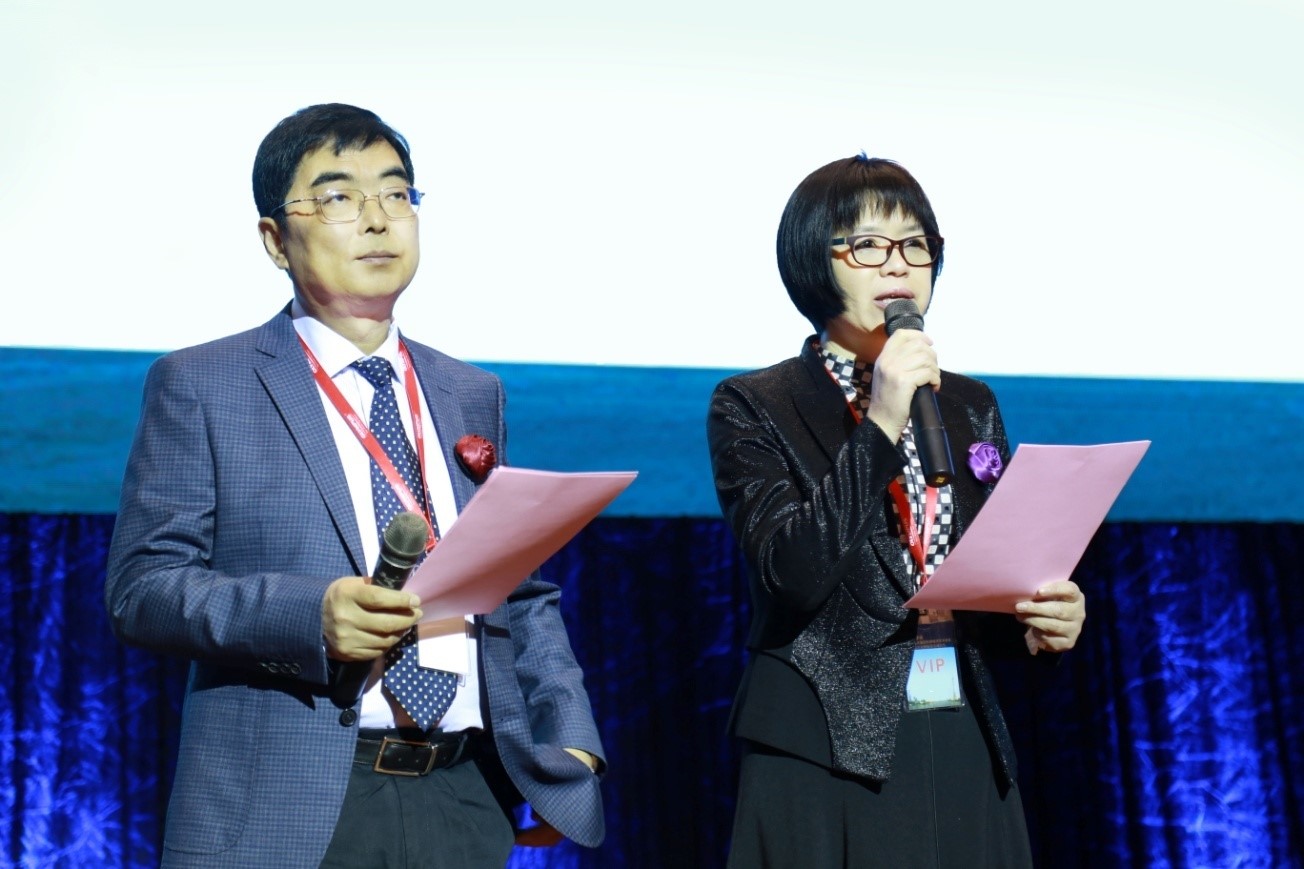
Fig. 1. Opening ceremony, Prof. Xing Xie (left; Women’s Hospital School of Medicine Zhejiang University) and Prof. Jihong Liu (right; Sun Yat-sen University Cancer Center).
The meeting was very well structured with two parallel sessions. Its educative content was flourished with eight plenary sessions, seven free communication sessions, one luncheon symposium (sponsored by “Journal of Gynecologic Oncology”), two case discussions and one debate. The conference arena was also equipped with five digitals screen for poster presentations. Over 1000 guests attended the meetings, among which, were more than 100 experts and renowned guests from different countries (USA, UK and Korea) (Fig. 2, Fig. 3 & Fig. 4).
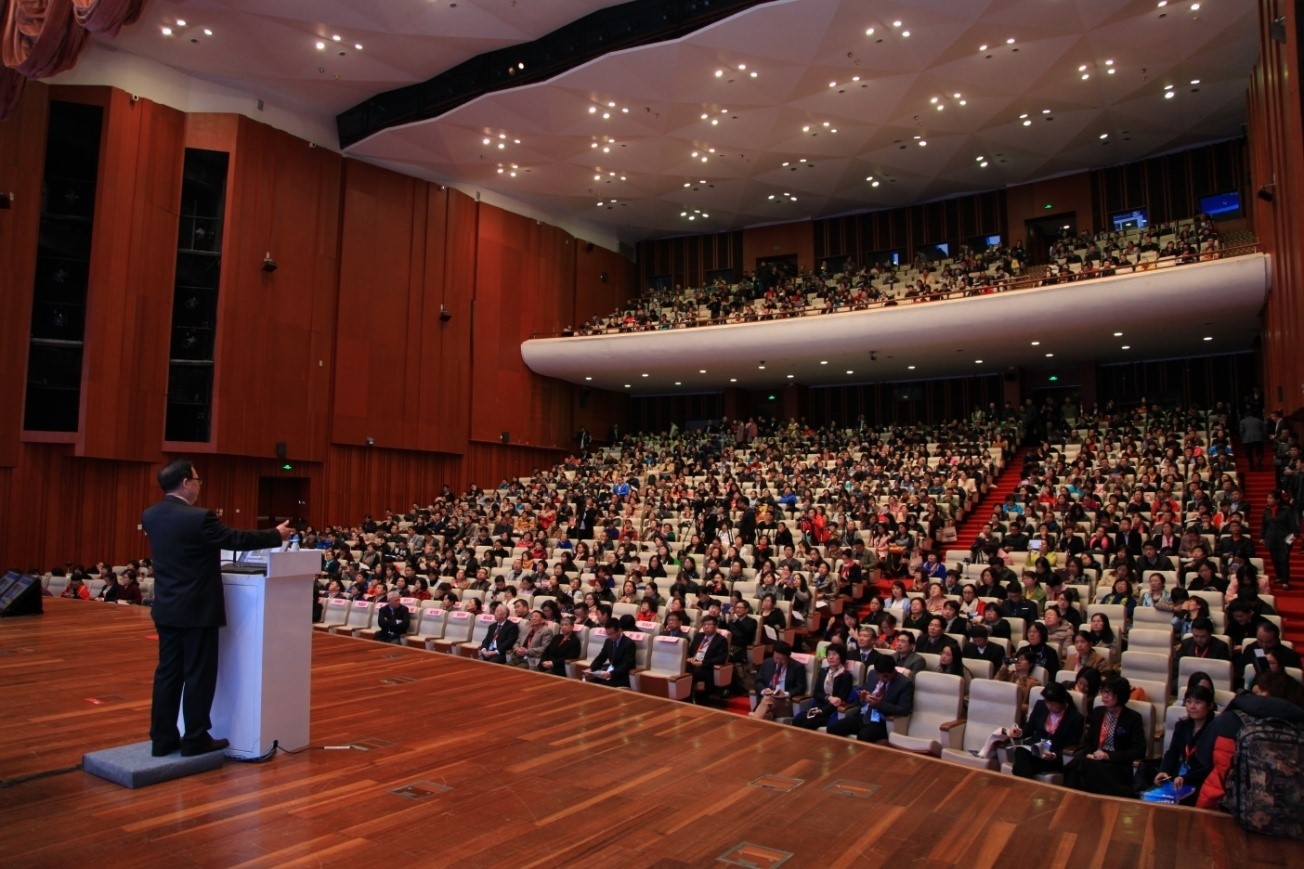
Fig. 2. Plenary session I, Precision Medicine in Cervical Cancer (speaker Jinghe Lang from Peking Union Medical College Hospital)
Meeting highlights:
Professor Wenxin Zheng researcher at University of Arizona spoke about the origin of ovarian cancer, he showed in a study that 50% of ovarian endometriosis is derived from the fallopian tube, and 40% of ovarian endometrioid carcinoma and 75% of ovarian clear cell carcinoma were related to endometriosis. Also under certain conditions may develop into uterine endometrioid carcinoma or clear cell carcinoma.
Professor Xiaohua Wu from Fudan University Shanghai Cancer Center introduced the Memorial Sloan Kettering Cancer Center (MSKCC) and Mayo clinic prediction model to evaluate optimal cytoreductive surgery in ovarian cancer.
Professor Yi Li from Peking University People's hospital explained the importance of restaging surgery for early staged ovarian cancer. It can remove chemoresistant retroperitoneal lymph nodes and surgery may avoid post-operative chemotherapy. Professor Ming Wu from Peking Union Medical College Hospital spoke about surgical timing for recurrent ovarian cancer. Patients with platinum free intervals of 6~12 months or above, those sensitive to platinum based chemotherapy during the initial treatment single lesion recurrence and good tolerance, are suitable for secondary cytoreductive surgery. And that surgery should be considered as the first choice for those with platinum free intervals greater than 30 months.
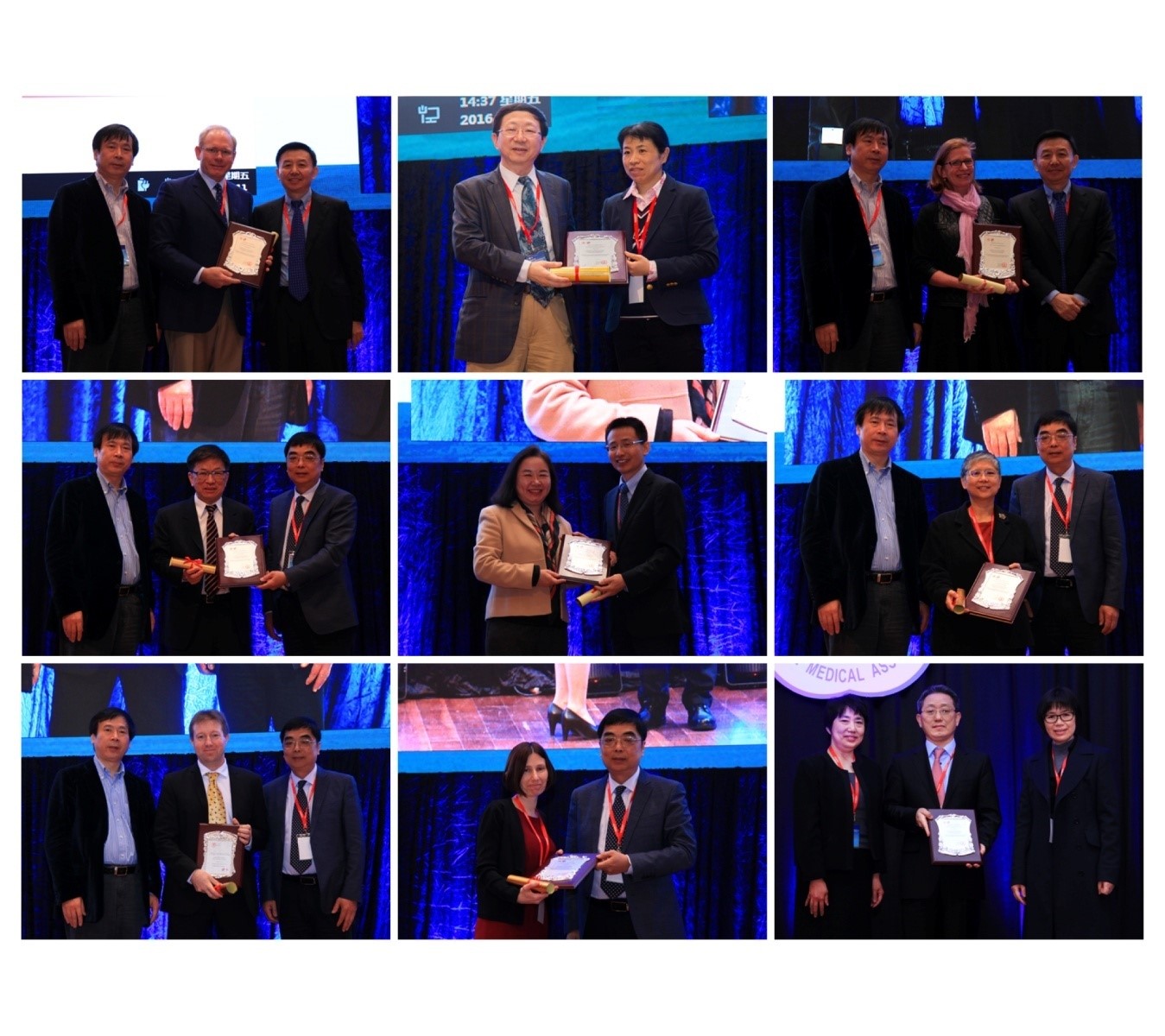
Fig. 3. Guests receiving commemorative souvenir from organizing committee. First row from left to right, Robert Holloway (middle), USA; Wenxin Zheng (left), USA; Barbara Goff (middle), USA; Linus Chuang (middle), USA; Annie NY Cheung (left), HK; Hextan Yuen-Sheung Ngan (middle), HK; Charlie Gourlet (middle), UK; Angela George (left), UK ; Jae-Weon Kim (middle), Korea.
Regarding advances in ovarian cancer chemotherapy, Professor Barbara Goff from the University of Washington brought the forefront of clinical trials for ovarian cancer chemotherapy and target therapy. Besides, she spoke about the prospect of Wee1 inhibitors and immunosuppressants PD1 / PD-L1 in ovarian cancer. Professor Angela George from the Royal Marsden Hospital and Institute of Cancer Research (UK) and Professor Charlie Gourley from University of Edinburgh Cancer Research Centre presented the advances in BRCA gene mutations and PARP inhibitors applications in ovarian cancer.
Professor Heng Cui from Peking University People’s hospital clarified the application of NACT in ovarian cancer; NACT can increase the possibility of optimal surgery, and decrease post-surgical complications without affecting survival, he also mentioned that the rate of optimal cytoreductive surgery for primary ovarian cancer in the US is higher than that of Europe, as US surgeons emphasize more on surgical skills than using NACT. The treatment strategy of platinum resistant recurrent ovarian cancer was reported by Professor Jihong Liu. She stated that dose intensive-chemotherapy has benefits on survival rates, with low rates of adverse reactions. In addition to target therapy and intraperitoneal hyperthermic chemotherapy, clinical trials can be considered as therapeutic strategies. Guonan Zhang professor at Sichuan Cancer Hospital explained the molecular mechanisms of platinum resistant ovarian cancer. TP53 and K351N mutations are important factors in platinum-resistant ovarian cancer, and the blocking of TLR-4 / MyD88 pathway is key in decreasing resistance to paclitaxel. Besides surgery, radiotherapy, chemotherapy and biological therapy are other options for the treatment of ovarian cancer, detailed by Professor Beihua Kong at Qilu Hospital of Shandong University. Who believes in the era of precision medicine; he explained the advantages of CAR-T therapy and immune checkpoint inhibitors in ovarian cancer treatment.
Professor Yu Shyr from Vanderbilt University introduced the key concepts of precision medicine. He talked about several initiatives on precision medicine in the United States, including Vanderbilt University’s BioVu initiative, and the new initiative on precision medicine in the US.
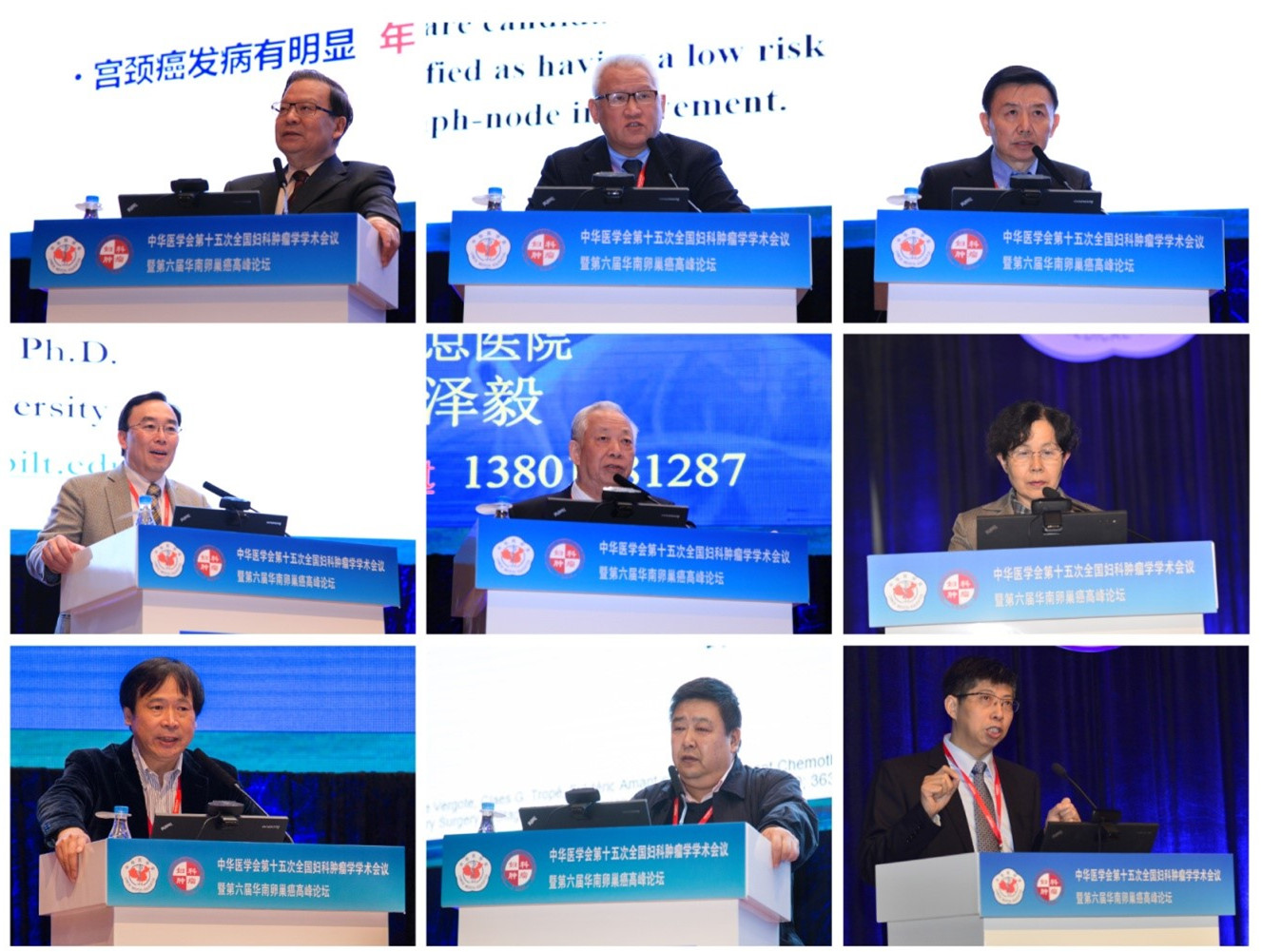
Fig. 4. Speakers, first row from left to right, Jinghe Lang (Peking Union Medical College Hospital), Keng Shen (Peking Union Medical College Hospital), Ding Ma (Tongji Hospital, Tongji Medical College, Huazhong University of Science and Technology), Yu Shyr (Vanderbilt University, USA), Zeyi Cao (Aviation General Hospital of China Medical University), Keqin Hua (Obsterics and Genecology Hospital, Fudan University), Beihua Kong (Qilu Hospital of Shandong University), Heng Cui (Peking University People’s Hospital Beijing), and Xiaohua Wu (Fudan University Shanghai Cancer Center).
Cervical cancer sessions
Screening is considered as the primary means to prevent cervical cancer; in a comparative analysis Professor Beihua Kong described different methods for HPV detection and the differences in cervical cancer screening methods in the United States, Europe and China. While Professor Ding Ma and team from Tongji Medical College, Huazhong University of Science and Technology talked about their perspective of precision medicine to prevent and to treat cervical cancer. He also gave a brief note about the feasibility of treatment for precancerous lesions at a molecular level. Concerning minimal invasive surgery for cervical cancer, Professor Zhiqing Liang from Southwest Hospital compared laparoscopic surgery vs. laparatomy surgery; he found that there was no significant difference in the number of lymph node dissected and survival between the two different types of approach. He also proposed that nerve sparing surgery could be an alternative for a good post-operative recovery.
Professor Keqing Hua from Obstetrics and Gynecology Hospital of Fudan University shared her experience in the treatment of cervical cancer during pregnancy. For pregnant women with advanced cervical cancer, NACT can be considered after the 13th week of pregnancy, since it has a low teratogenic rate but it should be stopped 2-3 weeks prior to childbirth. She also shared a success case of radical surgery for cervical cancer immediately after cesarean section.
For advanced and recurrent cervical cancer, Professor Lingying Wu from Peking Union Medical College Hospital showed in their study, that recurrence is generally within 5 years and recurrence after 5 years is only 3.9% which tends to have a central pattern. She also detailed the different alternatives for recurrent cervical cancer. On the other side, Professor Jihong Liu introduced the results of GOG240 in advanced / recurrent cervical cancer. Bevacizumab significantly improved overall survival (4 months) and non platinum-based chemotherapy plus bevacizumab can significantly prolong the Progression Free Survival (PFS). Bevacizumab had little effect on the quality of life, but we should be alert to the possible side effects. In recently updated NCCN guidelines, bevacizumab is suggested as first-line of treatment for advanced / recurrent cervical cancer.
Uterine neoplasm sessions
Professor Danhua Shen from Peking University People’s Hospital interpreted the 4th edition of World Health Organization’s (WHO) classification for uterine neoplasm compared to the old classification. The new system focuses on the pathogenesis of the disease, the molecular genetics characteristics of the uterine tumor, with an emphasis on the correlation of clinical treatment and prognosis. Simplifying the classification of endometrial hyperplasia and the use of repeatability pathology is considered more useful. Professor Wenxin Zheng introduced the new molecular model of endometrial serious carcinoma, from the p53 mutation model, the CDH1 and p53 knockout model, to the p53 knockout endometrial cancer animal model using the latest conditional gene targeting technology, which is closest to human endometrial cancer and can be used for further research on endometrial cancer.
Professor Xiaoping Wan and his research group, from Shanghai First Maternity Hospital found some molecules associated with retroperitoneal lymph node metastasis in some endometrial cancer cases. According to Professor Wan, these molecules (basis) can be combined with some clinical factors (sentinel lymph node mapping + pathological “Ultra-staging”) to establish a prediction model for retroperitoneal lymph node metastasis in endometrial cancer. He also mentioned that preliminary experiment has been completed. Five centers have joined in and it is expected to be completed in two years. Professor Jianliu Wang, from Peking University People's Hospital, explained in what circumstances fertility can be preserved in endometrial cancer patients. He suggested that fertility sparing in young patients should be considered under strict conformity and indications. High dose progestogen for more than 3 months would be effective in up to 50% to 70% of patients, but with a low pregnancy rate of 20% to 50%. Hysterectomy was r ecommended if the risk factor exists after childbirth. Professor Linus Chuang from Icahn School of Medicine gave us a well-rounded and in depth explanation on the controversies of Power Morcellation in uterine tumors.
Locals' prospective clinical trials sessions
Presided by Professor Jihong Liu, Dr He Huang from Sun Yat-sen University Cancer Center reported the preliminary results of a prospective clinical study, comparing the effect of different postoperative adjuvant therapy on IB-IIA stage cervical cancer patients with adverse prognostic factors. From 2008 to 2015, a total of 1080 patients were enrolled in the study. The patients were randomly assigned to 3 different treatment groups according to the 1:1:1 ratio after surgery, the radiotherapy group, the concurrent radiotherapy & chemotherapy group and the sequential radiotherapy & chemotherapy group. Preliminary results indicate that the concurrent radiotherapy & chemotherapy group and sequential radiotherapy & chemotherapy group compared with radiotherapy alone, can significantly improve the PFS in the high-risk group (lymph node metastasis, positive parametrial or surgical margin). But failed to improve survival in the medium-risk group, (deep muscle invasion, lymphatic vessel involvement). Sequential radiotherapy and concurrent radiotherapy and chemotherapy had similar toxicity, no obvious difference in the quality of life was observed in both groups; sequential radiotherapy & chemotherapy was better than concurrent radiotherapy & chemotherapy for treatment of drug resistance patients. This study provides a strong basis and indications for adjuvant treatment in cervical cancer.
Dr Hua Tu also from Sun Yat-sen University Canter Center reported the preliminary results of the clinical study “Sentinel Lymph Node Detection in Early Stage Cervical Cancer” shows a high identification rate (87%) of sentinel lymph node, obturator lymph node staining and metastasis was the highest, lymphatic tumor emboli was an important factor affecting staining, while sensitivity and accuracy was affected by intraoperative frozen sections.
Professor Weiguo Lv reported the prospective controlled clinical trial on Low Risk GTN: Single Cycle MTX vs. Single Cycle of MTX Combined with actinomycin D (ACT-D), initial treatment with single course of MTX regimen chemotherapy has complete remission rate of 37.4% in low-risk GTN. MTX single agent chemotherapy could significantly reduce the number of chemotherapy cycles, and did not increase the incidence of drug resistance. MTX+ACTD regimen chemotherapy does not show any significant benefit over MTX as a single agent of chemotherapy.
Despite held in the evening, both case discussion sessions had a wide audience. The first case brought on by Professor Jiaxin Yang from Peking Union Medical College Hospital was “Fertility-sparing Treatment in Cervical Malignancy with Special Pathological Type”, while Professor R. Holloway from Florida Hospital Cancer Institute (USA), shared with us “Lymphadenectomy to the Renal Vein Level in a Rare Case of Uterine Endometrial Malignancy” supported with a revealing video. On the other hand, the second session represented by Prof. Mengda Li (once supervisor of Prof. Jihong Liu) and Prof. Jihong Liu gave us an in-depth review on Platinum Resistant Recurrent Ovarian Cancer and Treatment strategy for refractory ovarian cancer, they also encouraged everyone to abide by the principle of treatment, always be suspicious, explorative and carry forward the heritage “spirit of Gynecology” in order to promote advances in gynecologic oncology.
Moreover the free communication sessions were a good educational opportunity for our young doctors. They were able to introduce their ongoing research work and given the best advice by our experts. Attached in appendix is the summary of the content introduced during the seven free communication sessions (Table 1).
Apart from all the educative sessions, we also received special guests from the Journal of Gynecologic Oncology (JGO), Professor Kim and team. They shared their experience with an impressive presentation on SCI(E) paper writing and reviewing.
We would like to express our profound thanks to all the local and international experts, doctors, students and nurses who supported and attended the meeting. We would also like to thank all organizing committee and the team who helped in executing this successful meeting. We are looking forward to seeing you again at the next CSGO meeting and Southern China Ovarian Cancer Summit.
Source: Department of Gynecology, Sun Yat-sen University Cancer Center
Copyright:Sun Yat-sen University Cancer Center Designed by Wanhu.