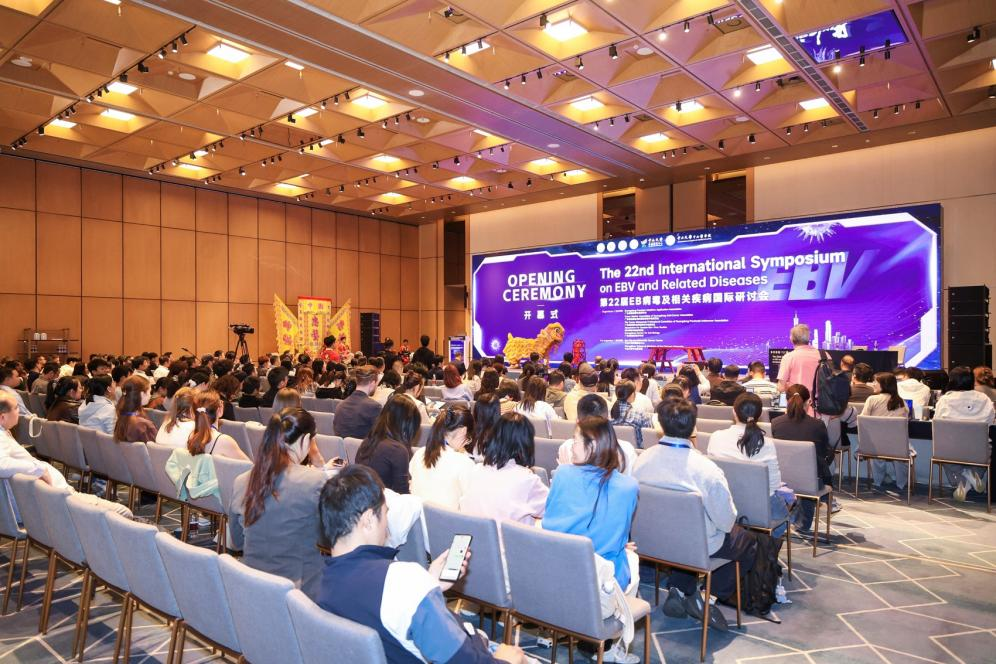
From November 11 to 15, 2026, the 22nd International Symposium on EBV and Related Diseases was successfully held and concluded in Guangzhou. Co-chaired by Prof. Ma Jun and Prof. Zeng Musheng, the symposium brought together experts and scholars from around the world engaged in research on Epstein-Barr virus (EBV) and related fields. They held in-depth exchanges across a broad range of topics, including viral pathogenesis, latency and reactivation, viral gene expression and replication, host immune responses, epidemiology, vaccine development, and therapeutic interventions.
| The Symposium in Session |
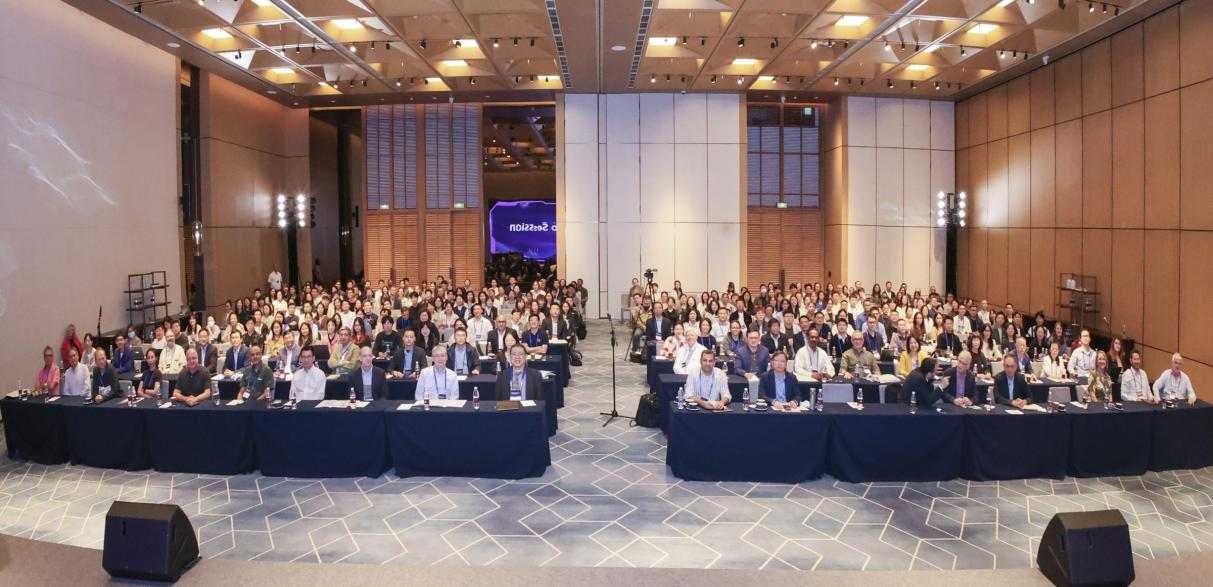
Group Photo of Participants
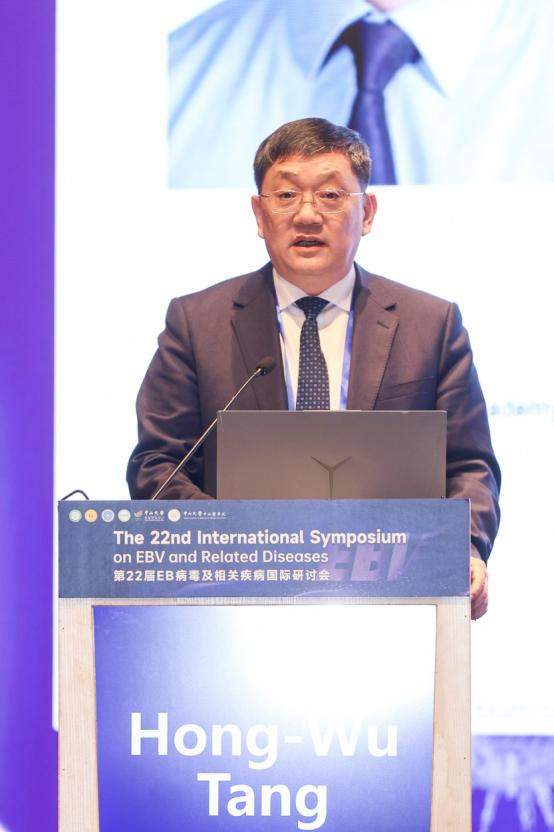
The EBV symposium series began in 1984 and is held every two years, with previous editions across the Americas, Europe, and Asia. In 2008, the series was held in Guangzhou, chaired by Prof. Zeng Yixin. The 22nd edition marks the second time the meeting has returned to Guangzhou after an 18-year gap, co-chaired by Prof. Ma Jun and Prof. Zeng Musheng—a milestone that builds on the past while opening the way forward. The opening ceremony was presided over by Prof. Zeng Musheng, with addresses by Prof. Tang Hongwu, President of Sun Yat-sen University, and Prof. Ma Jun. The symposium attracted more than 400 participants, including 120 from overseas, and featured eight scientific sessions plus one poster session.
| Address by President Tang Hongwu |
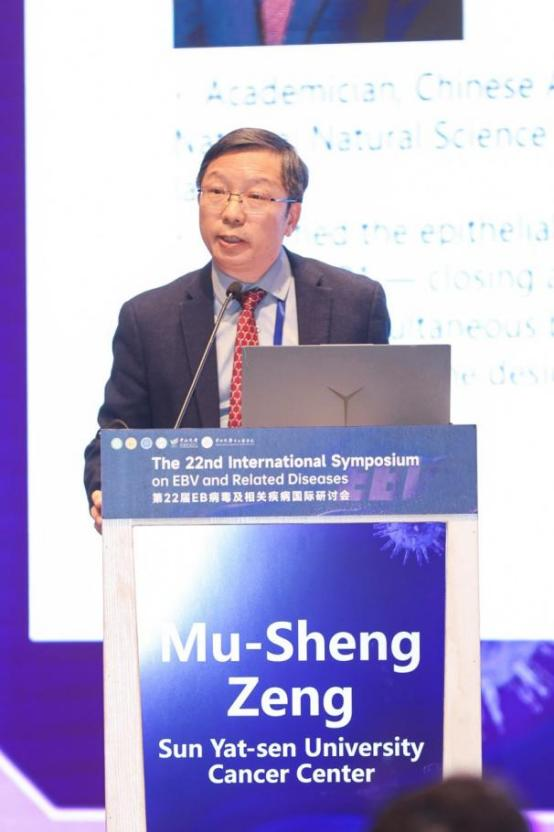
Prof. Zeng Musheng Presides Over the Opening Ceremony
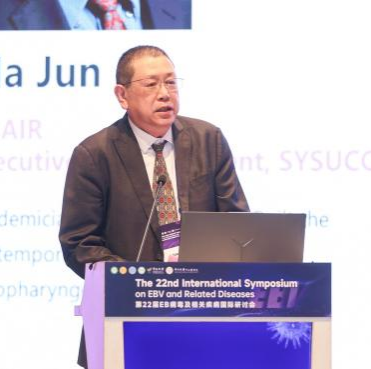
Opening Address by Prof. Ma Jun
From Bench to Bedside: Exploring a New Future for EBV Prevention and Control
The program opened with Immune Regulation and Autoimmune Diseases session with two consecutive sessions on EBV and autoimmune diseases such as multiple sclerosis. It then moved through sessions on EBV infection and pathogenesis, EBV vaccines, antibodies and antiviral drugs, EBV-associated lymphomas, chronic active EBV infection, infectious mononucleosis and EBV-associated hemophagocytic lymphohistiocytosis, and nasopharyngeal carcinoma and other tumors (two sessions). Professor Jeffrey I. Cohen of the U.S. National Institutes of Health delivered the Henle Lecture:EBV Vaccines: From Bench toClinic. Scholars from institutions in the United States, the United Kingdom, Germany, Sweden, Switzerland, Finland, Singapore, Japan, Australia, Malaysia, and Hong Kong, China, shared the podium with researchers from universities, hospitals, and research institutes on the Chinese mainland.
|
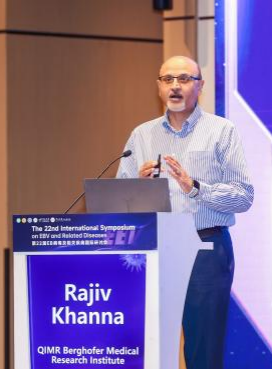
Scientific Report byProf.Rajiv Khanna |
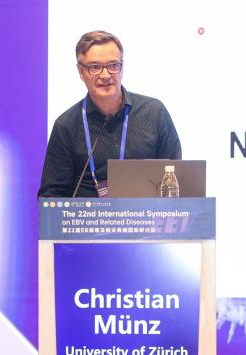
Scientific Report byProf.Christian Münz |
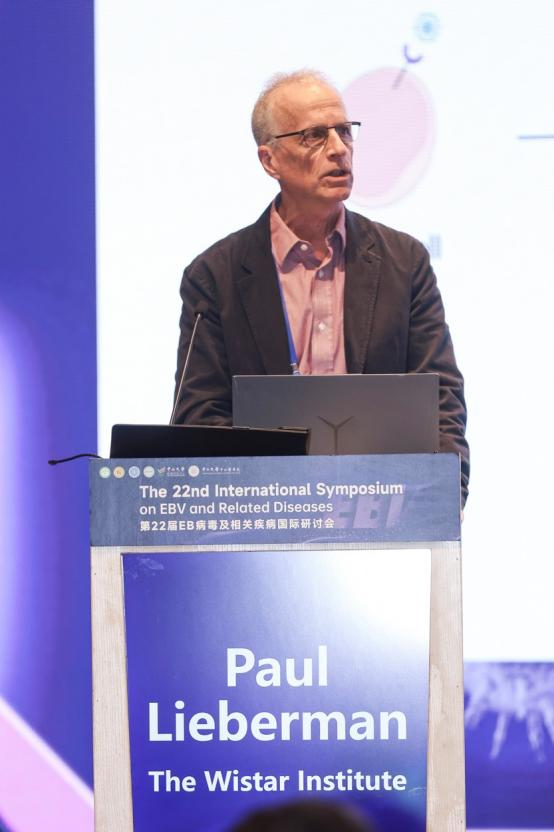
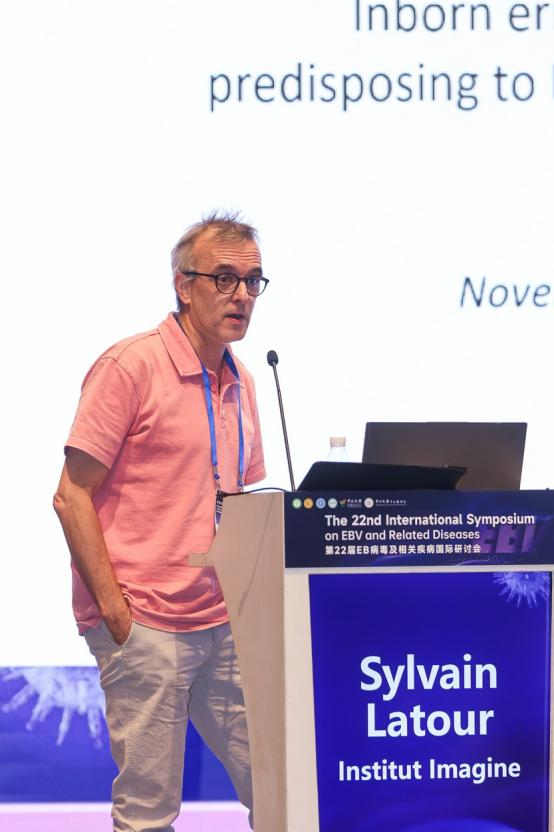
Prof.Paul Lieberman of the Wistar Institute,Prof.Sylvain Latour of Institut Imagine, andProf.Christian Münz of the University of Zurich reported, respectively, on altered EBV latency and immune control, inherited immune deficiencies that can lead to EBV-related diseases, and EBV infection-associated neuroinflammation. A team from the University of Science and Technology of China presented evidence that EBV infection and HLA-DR15 act together to induce multiple sclerosis. Subsequent talks took the discussion to a finer level: antibody profiles that change years before symptom onset, LMP1-mediated short-circuiting of immune tolerance, cross-reactive T cells, interactions between EBV and lymphocytes in deep cervical lymph nodes of patients with multiple sclerosis, myeloid cell activation during the prodromal phase, and EBV-specific CD8+ T-cell repertoires at antigen resolution. What was only a hypothesis a decade ago has now developed into a research field with multiple competing mechanistic hypotheses.
| Scientific Report byProf.Paul Lieberman | Scientific Report byProf.Sylvain Latour |
Vaccines and antivirals formed another main thread. In addition to the Henle Lecture's systematic review of key issues in taking EBV vaccines from the laboratory to the clinic, the meeting featured reports on a multivalent mRNA vaccine containing 20 CD8 epitopes and gp350, multivalent mRNA vaccine strategies for nasopharyngeal carcinoma, and the molecular mechanisms of EBV glycoprotein neutralization. The focus of discussion was no longer 'whether an EBV vaccine is possible' but rather product design and trial endpoints.
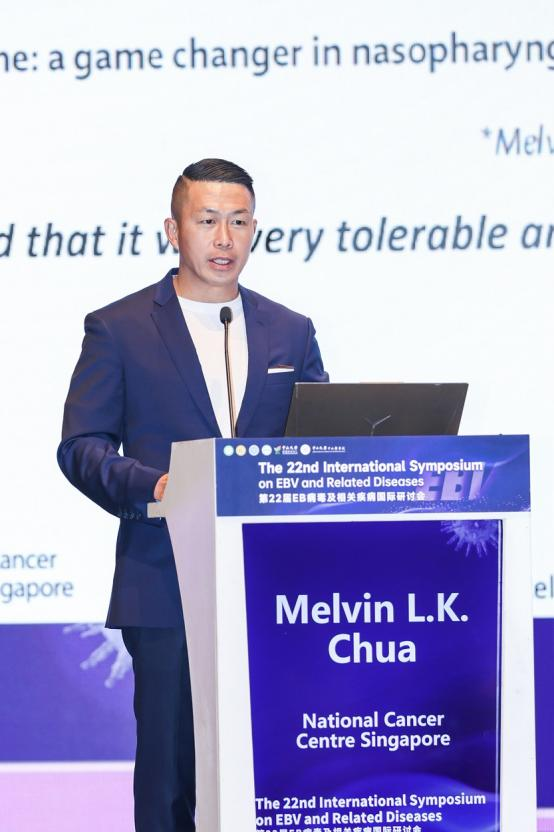
Clinical translation sessions brought laboratory findings into populations and clinics. A team from The Chinese University of Hong Kong reported on the clinical applications of plasma EBV DNA in nasopharyngeal carcinoma. Teams from Xiamen University and Zhongshan People's Hospital reported, respectively, on the translation of the novel marker P85-Ab from discovery to population screening, and on the distribution of P85-Ab in the general population and in nasopharyngeal carcinoma cases across regions with different incidence rates. In lymphoma and cell therapy, the meeting discussed the diagnostic and therapeutic value of EBV DNA methylation profiles, EBV reactivation and clearance after different CAR-T therapies, LMP2-targeted antibody-like TCR-T cells, and the druggability of MTAP deletion in EBV-driven nasopharyngeal carcinoma.
|
Scientific Report byProf.Allen Chan | Scientific Report byProf.Melvin L. K. Chua |
Empowering Young Talent, Igniting New Momentum in Research
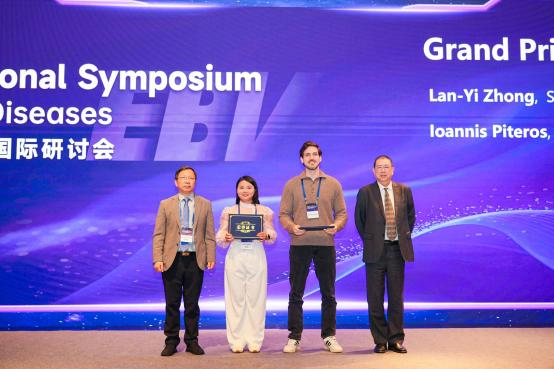
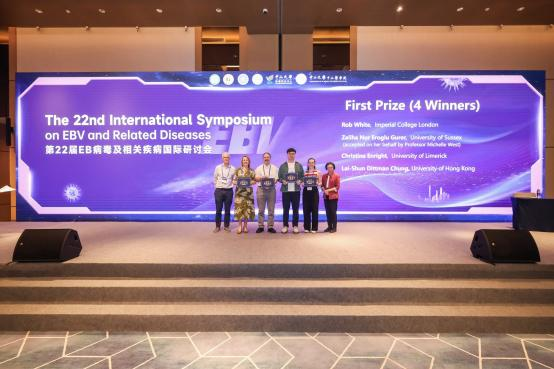
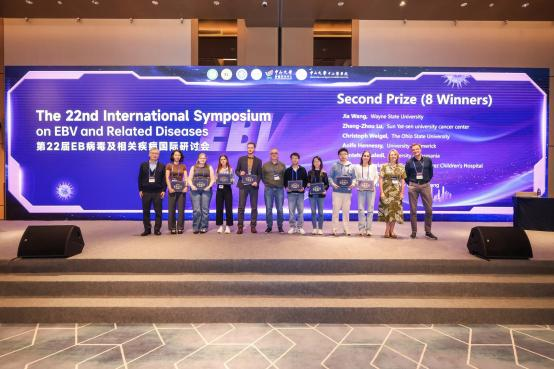
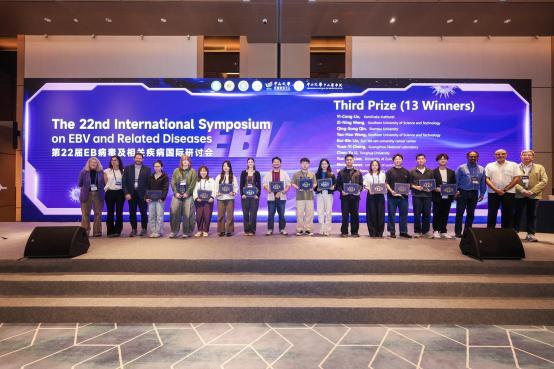
Thesymposium also featured a poster competition, with exchanges on themes including EBV immune regulation and autoimmune diseases, viral infection and pathogenesis, vaccine and antibody development, EBV-associated lymphomas, and nasopharyngeal carcinoma and other EBV-related tumors. It provided young scholars and graduate students with a platform to present their latest findings and discuss them face to face with experts from China and abroad. Winning posters were selected from among the submitted entries through display, exchange, and expert review: 2 grand prizes, 4 first prizes, 8 second prizes, and 12 third prizes, for a total of 26. Together they showcased the innovation and research vitality of young scholars in the field of EBV and related diseases. Through the poster displays, discussions, and awards, the symposium further promoted academic exchange and the training of young talent.
| Grand Prize Winners of the Outstanding Poster Awards | First Prize Winners of the Outstanding Poster Awards |
| Second Prize Winners of the Outstanding Poster Awards | Third Prize Winners of the Outstanding Poster Awards |
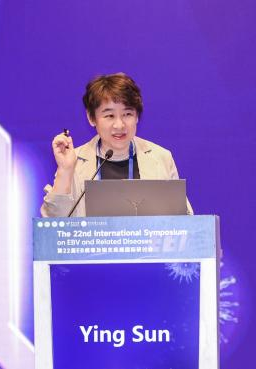
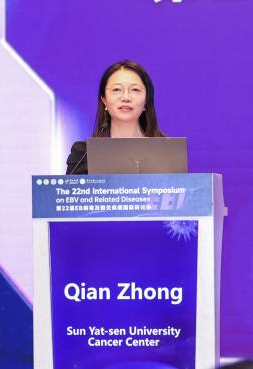
Thesymposium concluded on November 15. The closing session was presided over by Prof. Sun Ying, Vice President of Sun Yat-sen University Cancer Center; Prof. Zhong Qian chaired the outstanding poster award ceremony; andProf. Zeng Musheng delivered the closing summary. The next symposium will be held in Heidelberg, Germany, in 2028, chaired by Prof. Henri-Jacques Delecluse of the German Cancer Research Center (DKFZ).
|
Prof. Sun Ying Presides Over the Closing Ceremony | Prof. Zhong Qian Chairs the Outstanding Poster Award Ceremony |
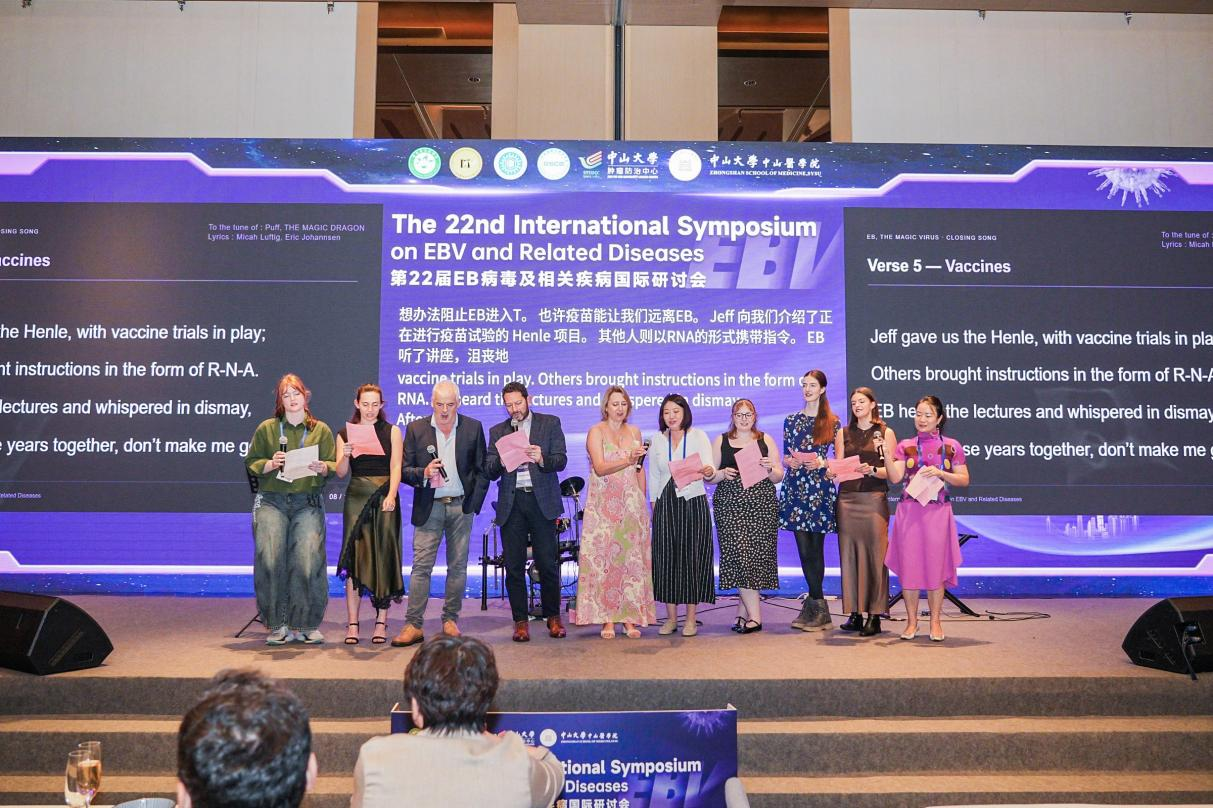
Singing the 'EBV Song' Together
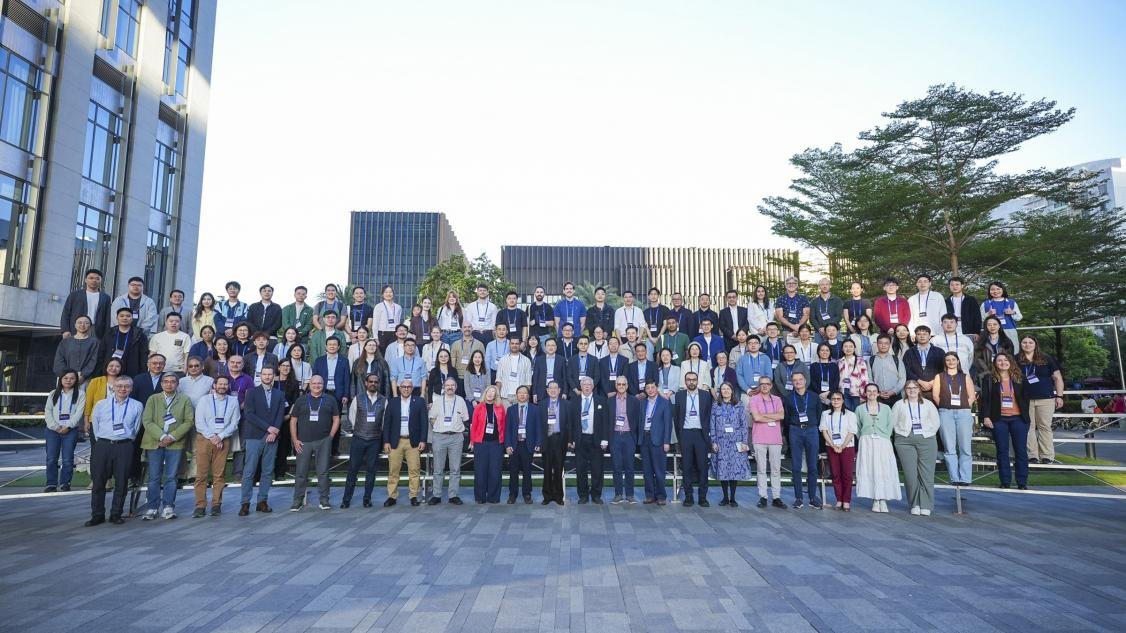 Outdoor Group Photo of Participants
Source: Department of Experimental Research
Written by Luo Yiling and Zhai Huiwen
Copyright:Sun Yat-sen University Cancer Center Designed by Wanhu.